
 Professor of Cognitive Neurology
 Clinician scientist and neurologist specialising in Parkinson’s disease (PD) and PD-associated dementia.
 https://cambridgebrc.nihr.ac.uk/wp-content/uploads/2017/03/WBIC-scanner.png
609
917
cbrcprod
https://cambridgebrc.nihr.ac.uk/wp-content/uploads/2024/04/Cambridge_BRC_NIHR_logo.png
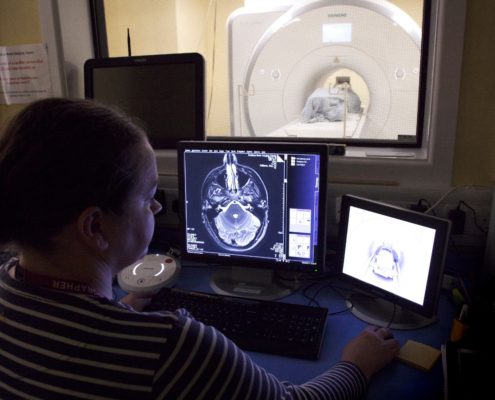
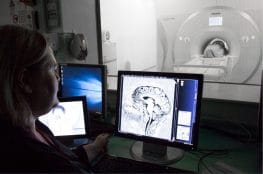
cbrcprod2024-10-09 09:06:212025-01-10 18:06:33Ultra-powered MRI scans show damage to brain’s ‘control centre’ is behind long-lasting Covid-19 symptoms
https://cambridgebrc.nihr.ac.uk/wp-content/uploads/2017/03/WBIC-scanner.png
609
917
cbrcprod
https://cambridgebrc.nihr.ac.uk/wp-content/uploads/2024/04/Cambridge_BRC_NIHR_logo.png
cbrcprod2024-10-09 09:06:212025-01-10 18:06:33Ultra-powered MRI scans show damage to brain’s ‘control centre’ is behind long-lasting Covid-19 symptoms
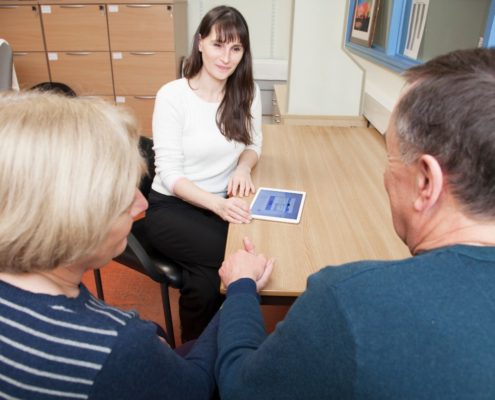


The NIHR Cambridge BRC is part of the NIHR and hosted by Cambridge University Hospitals NHS Foundation Trust in partnership with the University of Cambridge. We are at the heart of the Cambridge Biomedical Campus, Europe’s largest health research area.
Contact Us
Cambridge Biomedical Research Centre
Box 277
Hills Road
Cambridge
CB2 0QQ
Tel: 01223 348490

⏲️One week left to apply for our Researcher Development Programme for Social Care Nurses!
This programme supports social care nurses to develop research skills and explore ideas arising from their day-to-day practice, while remaining in role.
Apply now: https://www.nihr.ac.uk/career-development/researcher-development-programme-social-care-nurses?utm_source=twitter&utm_medium=social&utm_campaign=rdp2026
📢 Interested in Programme Grants for Applied Research (PGfAR) - October 2026?
There’s still time to join our webinar and find out more about this upcoming funding opportunity.
💻 29 June 2026 | 2.30–4pm
In partnership with @RCPCHtweets, this funding will support ambitious,


📣 Come and spend a day with the Cambridge NeuroWorks team showcasing the latest developments in #neurotech on Monday 15 June!
🔎 Learn about this exciting area of #research & #innovation with @CPFT_NHS to improve healthcare & treatments.
⚡Register ASAP ➡️https://cambridgeneuroworks.org/news-events/neuroworks-2026-scalable-neurotechnology-innovation-translation-and-transformative-treatments

We're expanding research, widening treatment options and tackling inequalities in prostate cancer care.
✅ All eligible Black men will be invited to join a landmark screening trial.
✅ A targeted NHS screening programme will also be rolled out.
More: https://www.gov.uk/government/news/major-expansion-of-research-and-treatment-for-prostate-cancer
The presymptomatic and early manifestations of semantic dementia
GABAergic modulation of beta power enhances motor adaptation in frontotemporal lobar degeneration
Peripheral innate immunophenotype in neurodegenerative disease: blood-based profiles and links to survival
Quantitative susceptibility mapping at 7 T in COVID-19: brainstem effects and outcome associations
Mitochondrial complex I activity in microglia sustains neuroinflammation