Cambridge Hospital begins innovative liver cancer treatment for first NHS patients in Europe
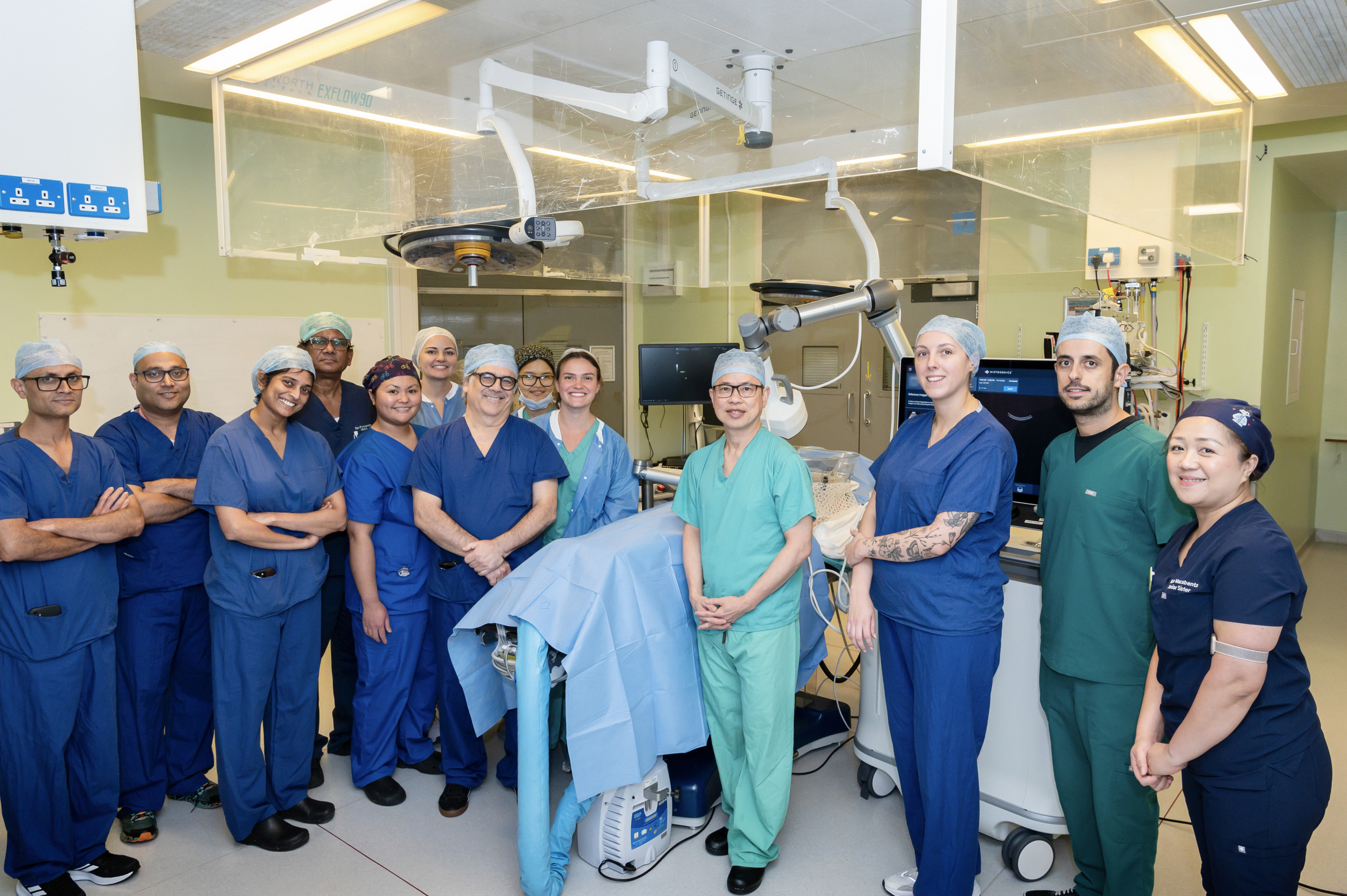
Dr Teik Choon See and the Addenbrooke’s theatre team after delivering the 1st histotripsy procedure at CUH
22 October 2025
Cambridge University Hospitals NHS Foundation Trust (CUH) has become the first hospital in Europe to deliver histotripsy treatment to a patient outside of a clinical trial, after being fast-tracked by the Government – marking a major milestone in NHS cancer care.
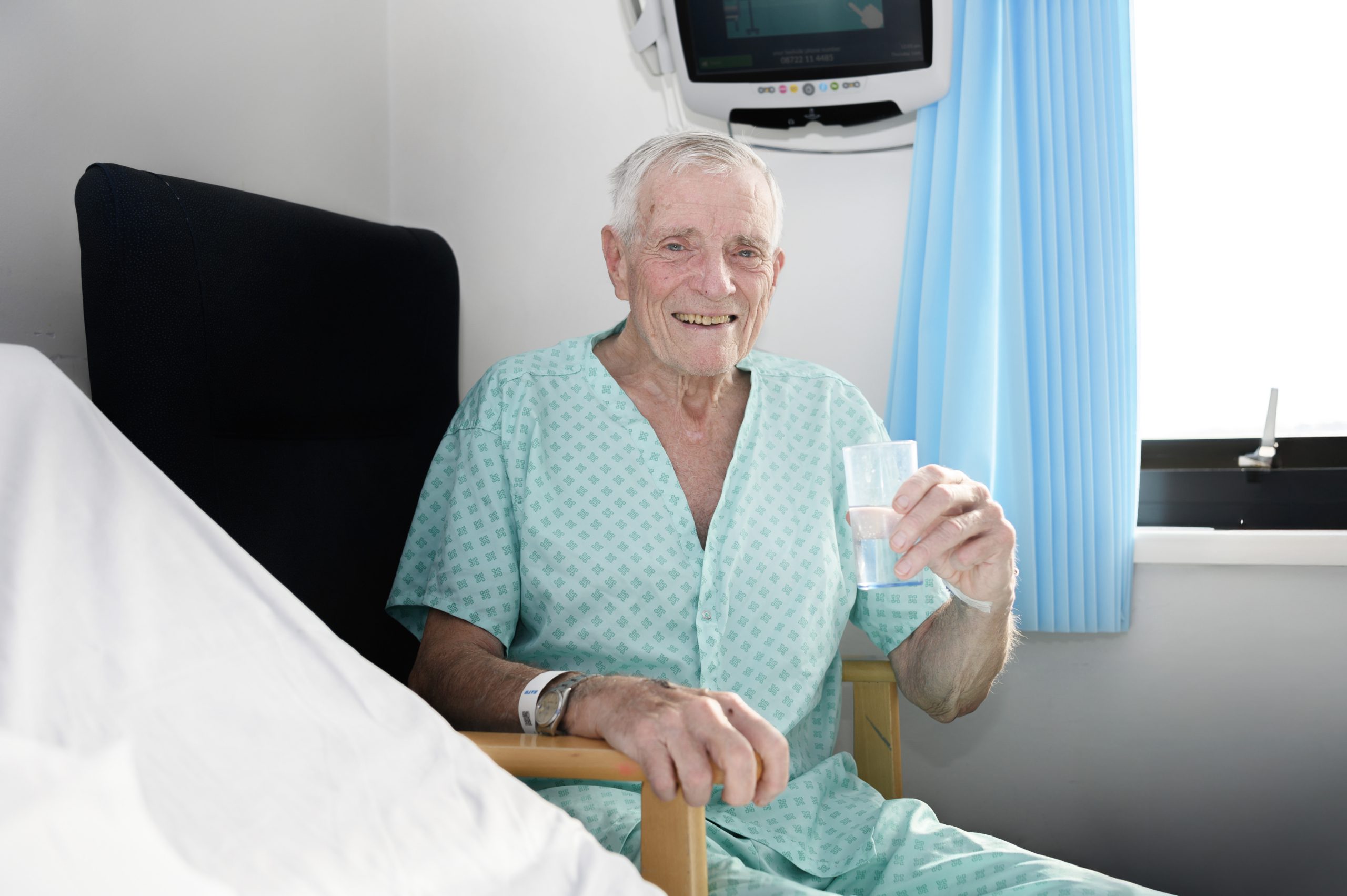
The pioneering procedure which uses ultrasound energy to destroy tumours took place at Addenbrooke’s Hospital, where Roger Jackson from Bedford underwent the incisionless treatment for liver cancer.
Histotripsy uses focused sound waves to generate microscopic “bubble clouds” from naturally occurring gases present in targeted tumour tissues. The bubbles form and collapse in microseconds, creating mechanical forces that destroy cancer cells without the need for surgery, radiation, or chemotherapy. With treatment taking as little as 30 minutes and usually with minimal or no pain, patients can recover quickly and spend less time in hospital, with treatment performed as a day case.
Dr Teik Choon See, consultant interventional radiologist at CUH, led the procedure. “Histotripsy represents a major and exciting step forward in cancer treatment,” said Dr See. “It allows us to target tumours more precisely while sparing surrounding healthy tissue, offering patients a safer and faster alternative to traditional therapies.
“What is even more promising is in some reported cases, after the sound waves break apart the tumour, the patient’s immune response may become activated and clear up some remaining cancerous tissues, showing real hope for patients.”
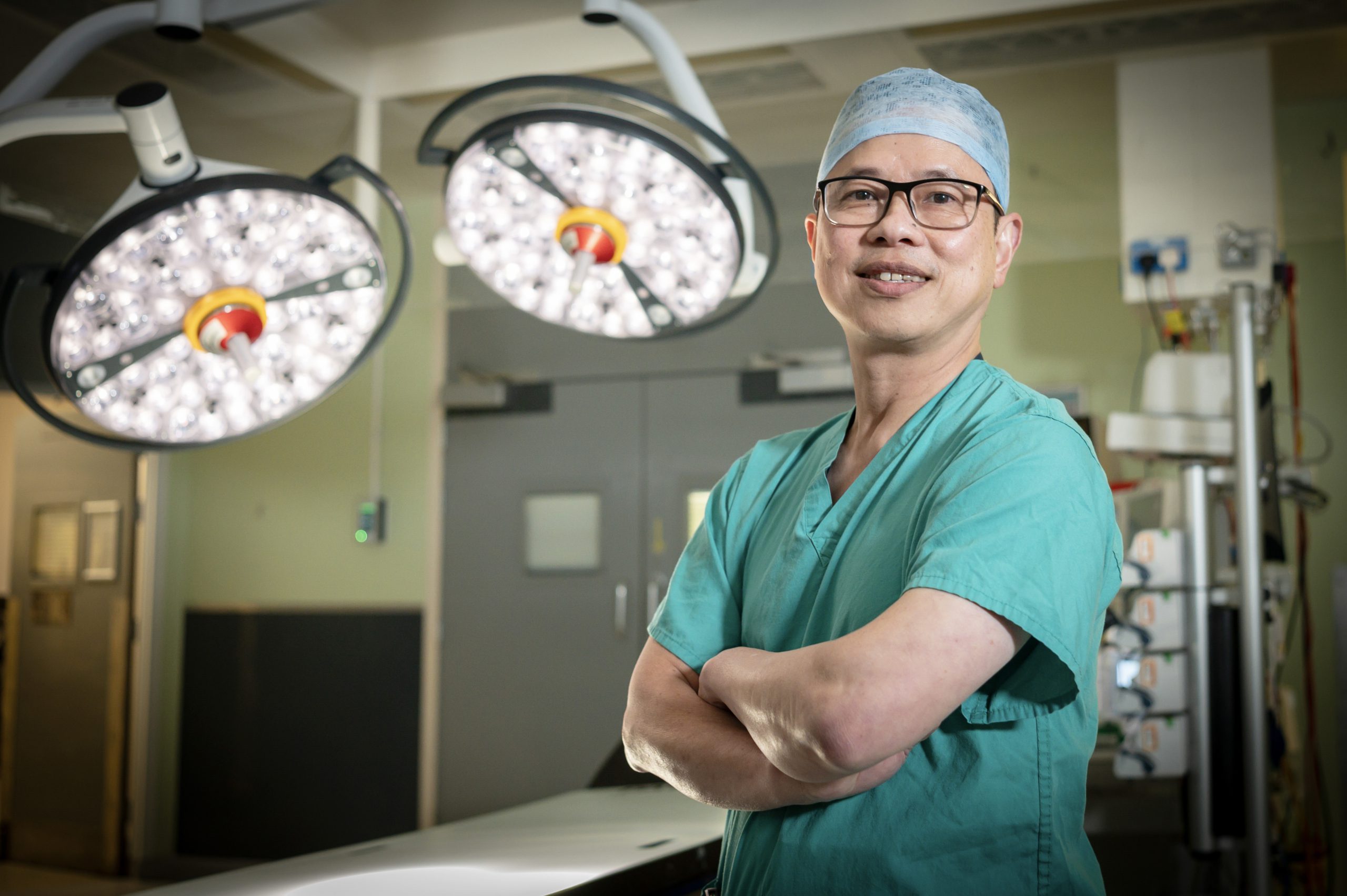
Dr Teik Choon See, consultant interventional radiologist at CUH
“Histotripsy represents a major and exciting step forward in cancer treatment,” said Dr See. “It allows us to target tumours more precisely while sparing surrounding healthy tissue, offering patients a safer and faster alternative to traditional therapies.
“What is even more promising is in some reported cases, after the sound waves break apart the tumour, the patient’s immune response may become activated and clear up some remaining cancerous tissues, showing real hope for patients.”