
Cambridge research recognised at the NIHR Impact Prizes 2026
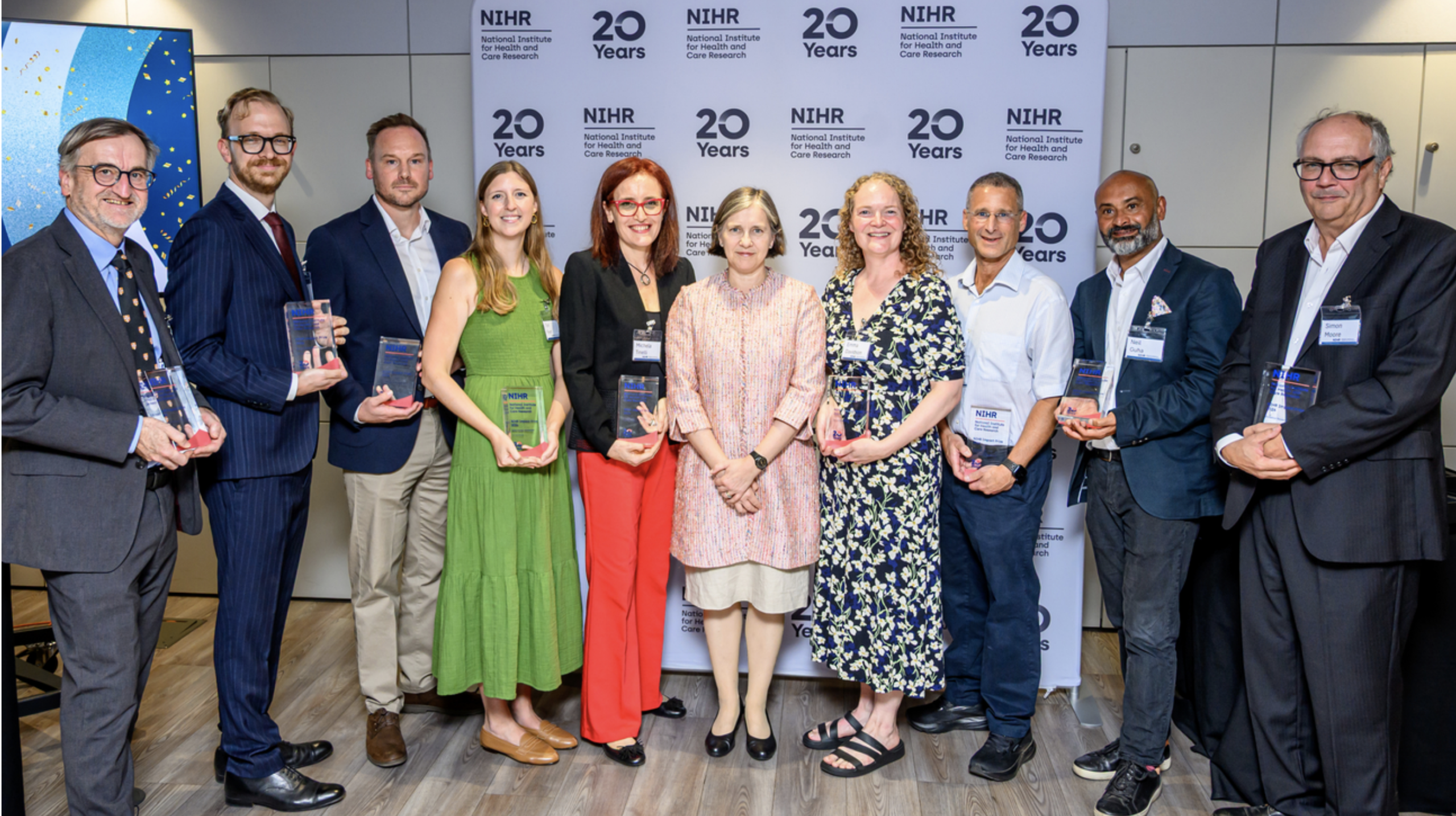
NIHR Impact Prize Award Ceremony, 24 September 2026.  From left to right: Professor Peter Hutchinson, Dr Ian Pope, Professor Tom Wainwright, Dr Tori Ford, Dr Michela Tinelli, Professor Lucy Chappell, Professor Emma Davidson, Professor Saul Faust, Professor Neil Guha and Professor Simon Moore.

The NIHR Impact Prizes 2026 celebrated researchers and teams whose work is making a significant difference to health and care in the UK and internationally. The awards were hosted by NIHR CEO Professor Lucy Chappell and recognised a wide range of research helping to improve health and care, save lives and contribute to the UK economy.

Research from the Biomedical Research Centre: Cambridge was represented across several categories, from traumatic brain injury to assessing the spread of lung cancer. Researchers and teams from the University of Cambridge, Cambridge NIHR Biomedical Research Centre (BRC) and Royal Papworth Hospital were recognised for the impact of their work.

The Brain Injury Team received an award for work contributing to new traumatic brain injury treatment guidelines. The Aster Research Team at Royal Papworth Hospital was highly commended for developing a more accurate and cost-effective ultrasound approach to assessing the spread of lung cancer. The Normothermic Regional Perfusion teams at the University of Cambridge and Scottish Liver Transplant Unit were also highly commended for their work to improve organ transplantation.

Read more about the research and the NIHR Impact Prizes below.

Many congratulations to all the winners and teams recognised for their contribution to improving health and care!
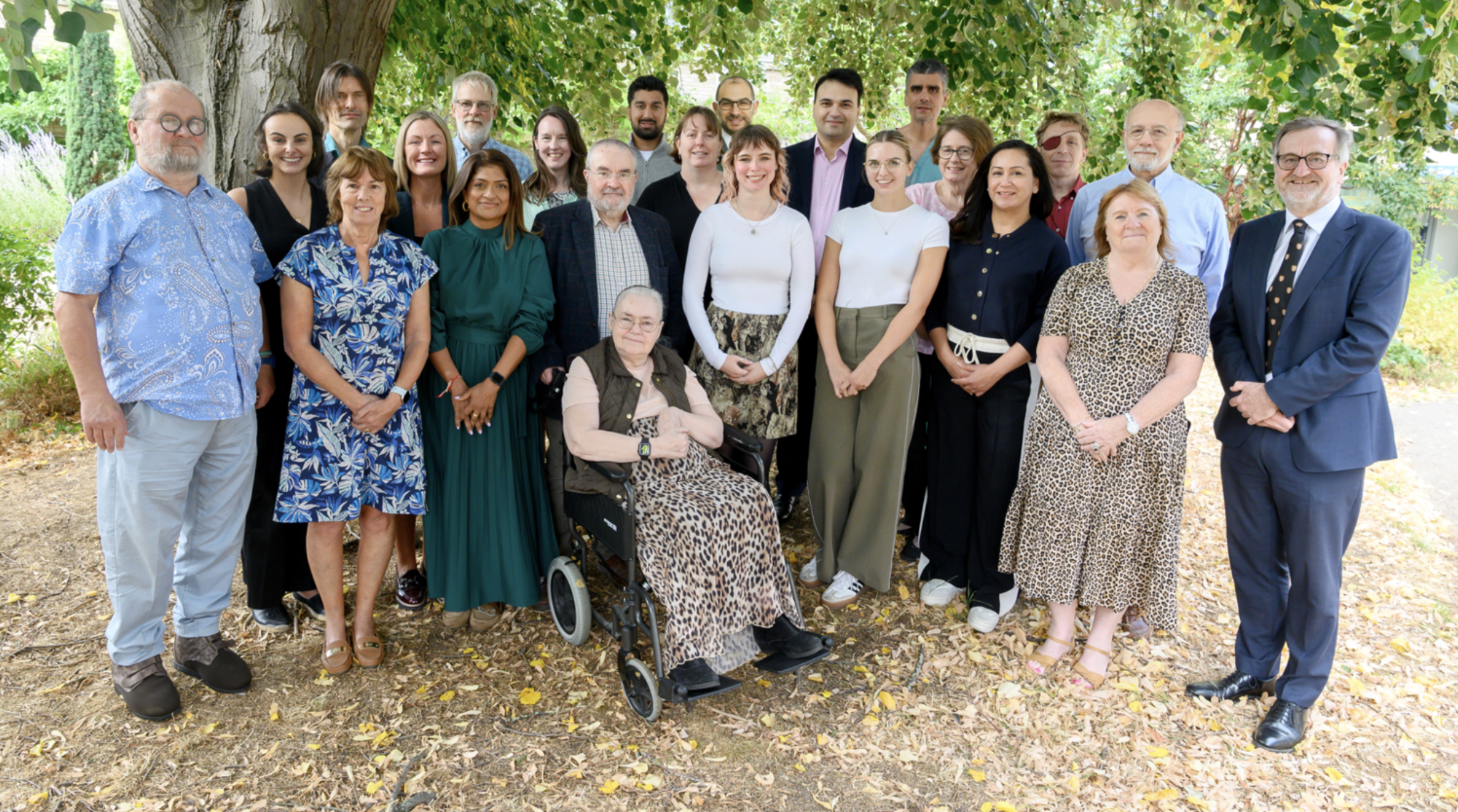
Winner – Cambridge Brain Injury Team

Team

Traumatic brain injury team at Cambridge University Hospital NHS Foundation Trust and the University of Cambridge.

Research to inform new guidelines for treatment of traumatic brain injury

Traumatic brain injury (TBI) is a leading cause of death in high-income countries. This research changed treatment guidance on TBIs across the UK and globally, reducing the high death and injury disability rate.

The team developed surgical procedures and treatments that delivered measurable life saving changes, reducing mortality by 20% with two thirds of survivors achieving independence in the community or at home.

The new guidelines have led to improved treatment for 12,000 TBI patients nationally per year and has reduced costs and pressure on healthcare services.

The research received funding from the Efficacy and Mechanism Evaluation Programme and the Health Technology Assessment Programme. It was supported by the NIHR Biomedical Research Centre: Cambridge, the NIHR Brain Injury Medtech Co-operative and Brain Injury HealthTech Research Centre, the Clinical Research Network and Research Delivery Network and Global Health Research Groups

Highly commended

Commended teams were awarded for their outstanding work, with particular recognition for investment, innovation or inclusion.

Recognition of investment

The ASTER study: a more accurate and cost-effective ultrasound approach for assessing lung cancer spread

Lung cancer is the most common cause of cancer death worldwide, killing more than 35,000 people in the UK each year. Optimal treatment requires determining whether the cancer has spread to lymph nodes, which has historically required an operation. The team investigated whether biopsies guided by an ultrasound could be used instead of surgery.

The results showed the procedure, an endobronchial and endoscopic ultrasound biopsy, had more accurate results than surgery, was better tolerated by patients and was more cost-effective. The procedure is now recommended by NICE guidelines in the UK, and the test is offered on site in 76% of NHS hospital trusts in England and Wales, saving the NHS up to £3.6 million a year.

This has led to increased business for the specialist scopes and equipment used in the procedure. In 2026 the global endobronchial ultrasound biopsy market is estimated at US$820 million with projected growth to US$1.3 billion by early 2030s.

The study received funding from the Health Technology Assessment Programme and was supported by the NIHR Experimental Cancer Medicine Centre, NIHR Biomedical Research Centre: Cambridge, and the Clinical Research Network.

The Royal Papworth Hospital
Team

ASTER Ultrasound Trial Team at Royal Papworth Hospital NHS Foundation Trust.

A group of medical professionals, all wearing surgical masks, caps, and gowns, are performing a procedure in an operating room.
Team

Normothermic Regional Perfusion Teams at the University of Cambridge and the Scottish Liver Transplant Unit.

Recognition of innovation

Development and testing of restoring circulation to donated organs after death and before removal to improve transplant outcomes

Liver transplantation is life-saving, but 120 patients die on the UK liver waiting list every year because of lack of viable organs.

Many donor livers go unused because of concerns that they will not work well after transplantation, especially a liver from a donor after circulatory death. This team adapted a technique for restoring blood circulation to organs of circulatory death donors so they can be optimised and assessed for viability before transplanting to patients.

The research showed that the technique more than doubled the rate of liver donation after circulatory death. Recipients of these livers also recovered from surgery more quickly. As a result of the research, this technique has been funded by the Department of Health and Social Care and devolved health departments to be commissioned as a national service.

This research was supported by the NIHR Biomedical Centre: Cambridge, and NIHR Blood and Transplant Research Unit in Organ Donation and Transplantation.

Learn more about the NIHR Impact Prizes Awards Ceremony Impact Prizes 2026 webpage.

Copyright © 2026 NIHR Biomedical Research Centre: Cambridge